THE SHORT ANSWER
Plan a garden around light, soil, plant needs and realistic care. Build a seasonal record and a clear shortlist before buying or redesigning.
Begin with the garden you can care for
A useful garden plan starts with the conditions you have, the jobs you can sustain and the experience you want. Record light, existing planting, water access and unresolved soil questions before buying plants. Use the USDA hardiness map as one part of plant selection, then check local guidance for the exact plants and conditions. This guide turns those questions into a working brief; it is not a planting prescription for every American yard. Picture the ordinary moments first. Perhaps you want a view from the kitchen, a comfortable edge beside the dining area or a place to notice seasonal change. Choose a main purpose and one supporting purpose. A collection of attractive plant photographs cannot make that decision for you. Write a sentence that names the place, the experience and the care you are willing to provide. “A planted view beside the breakfast table that I can look after during regular weekend visits” is a more useful starting point than “a low-maintenance garden.” The first sentence gives you choices to test. The second leaves the work undefined.
Make a map of observations, with room for unknowns
Draw a simple outline and label the house, existing beds, hard surfaces, doors, gates and features you intend to keep. It can be rough. Its job is to help you place observations consistently, not to look like a finished landscape drawing. Use feet and inches for dimensions and mark unmeasured distances as unknown. Add where you usually sit and the routes you use to reach planting. Then walk the space at different times and write the date beside what you actually see: direct sunlight at the dining edge, a shaded corner, leaves collecting at a gate. EPA WaterSense notes that exposure and moisture can vary within one property. That is a reason to separate areas on your map rather than treating the entire yard as one growing condition. Do not turn one visit into a year-round conclusion. Keep a second column for questions: Does this corner receive summer afternoon sun? Is the wet-looking patch temporary or persistent? What happens when the deciduous tree has leaves? Recording a question is progress; inventing an answer makes the next choice harder.
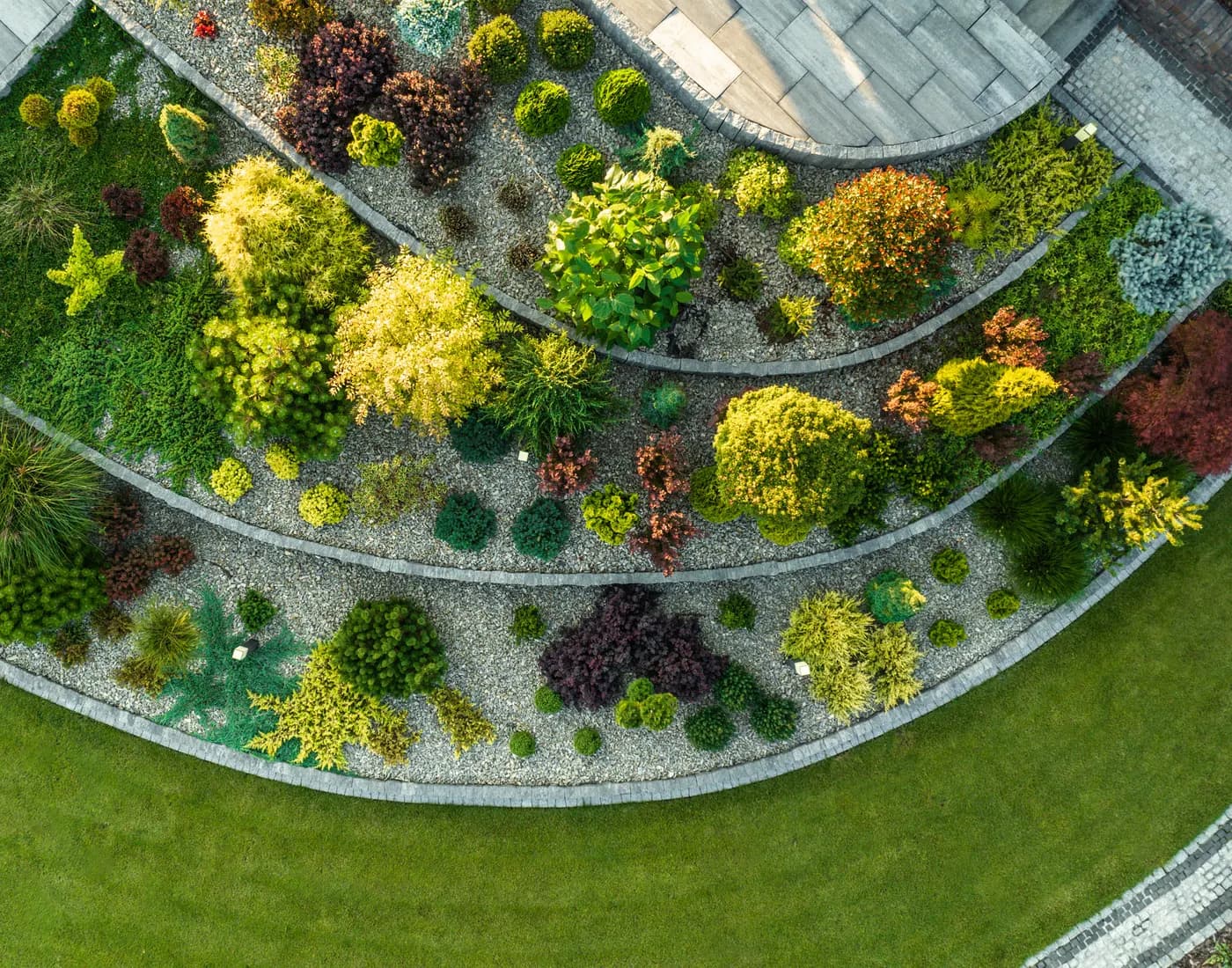
Illustrative design context. Not a construction specification or a documented Yardelia project.
A winter hardiness zone is a filter, not a complete plant match
A hardiness zone helps frame cold tolerance; it does not answer every question about growing a plant. The USDA map's guidance also discusses light, soil moisture, heat and other influences on survival. Use the map and reliable plant information together, with local advice where the site is uncertain. Write the map version and lookup date on the brief so that another person can understand what you checked. Keep your plant's exact botanical name or cultivar alongside the information you find. A general name on a shopping label may cover plants with different requirements. Next, separate three questions: Can it tolerate the relevant cold conditions? Does the proposed location provide suitable growing conditions? Can you provide its ongoing care? A yes to the first question does not establish the other two. This distinction is particularly useful when an inspiration photograph comes from another region. You can borrow a visual idea, such as a repeated shape or a planted edge, without assuming the photographed plants suit your property. Ask a local extension service or qualified horticultural professional to help resolve the actual selection.
Test soil questions before choosing amendments
A laboratory soil test can help replace guesses about soil chemistry and nutrients with a record you can discuss. University of Minnesota Extension explains that the information supplied depends on the test; a regular garden test is not automatically a comprehensive contamination assessment. Ask the laboratory or your local extension office which analysis fits the intended use, and follow its current collection instructions. Keep the report with the location it represents. Do not assume one sample describes every distinct bed, or translate a photograph of dark soil into proof that its nutrients or pH suit a plant. Equally, a laboratory report does not settle structural, grading or drainage design questions. The practical next step is to write down the proposed change and ask whether the result supports it. If a seller recommends several bags of amendment before you have identified a problem, pause the purchase and ask what evidence would justify that choice. This is a planning boundary rather than a recipe: no fertilizer rate, treatment or soil correction is prescribed here. Product directions and appropriate local interpretation still matter.
Give every plant candidate a job and an evidence trail
A plant earns a place in the plan by serving a purpose in a suitable location. The purpose might be a recurring shape, seasonal interest or part of a privacy conversation. Write the job first, then investigate the candidate instead of asking a shopping cart to become a design. For each candidate, keep the source of information about its mature dimensions, light and water needs, seasonal behavior and care. Distinguish a supplier's current description from independent local guidance. If two sources disagree, leave the question open until it is resolved; do not average the answers. Think about the plant at its expected mature size as well as its purchase size. Mark that reported footprint on the plan and ask how it relates to the route, doorway and neighboring planting. A sketched circle is a comparison tool, not a verified clearance or a prediction of exact growth. Have a qualified professional assess choices near structures, utilities, access routes or other site constraints. If you cannot explain the candidate's job, leave it on a separate ideas list.
- Candidate and exact name: ____; intended job: ____.
- Proposed location: ____; observed conditions: ____.
- Mature dimensions and source: ____; information still missing: ____.
- Care tasks, who will do them and source: ____; decision: keep investigating / shortlist / leave out.
Plan watering relationships before drawing a plant collection
Plants with compatible watering requirements are easier to discuss as a group than a random collection with conflicting needs. EPA WaterSense recommends organizing vegetation into areas with similar irrigation needs. That principle helps shape the brief; it does not supply a watering schedule for an unidentified planting. On your map, identify existing water access and any irrigation equipment you know about. Mark uncertain supply or system details as questions for the appropriate professional. Ask which proposed plants could reasonably share a care approach, and which need a separate decision. Keep establishment care and ongoing care as distinct questions to verify for the exact planting. Before paying for irrigation work, ask a qualified local irrigation professional about the system, permitted work, applicable water rules and the intended plant groups. Plumbing, electrical connections and backflow requirements need appropriate licensed expertise and local approval where required. Do not improvise those works from an editorial diagram. You can still make progress without a technical design: reduce the candidate list, identify incompatible care expectations and make the unknowns visible before requesting a detailed proposal.
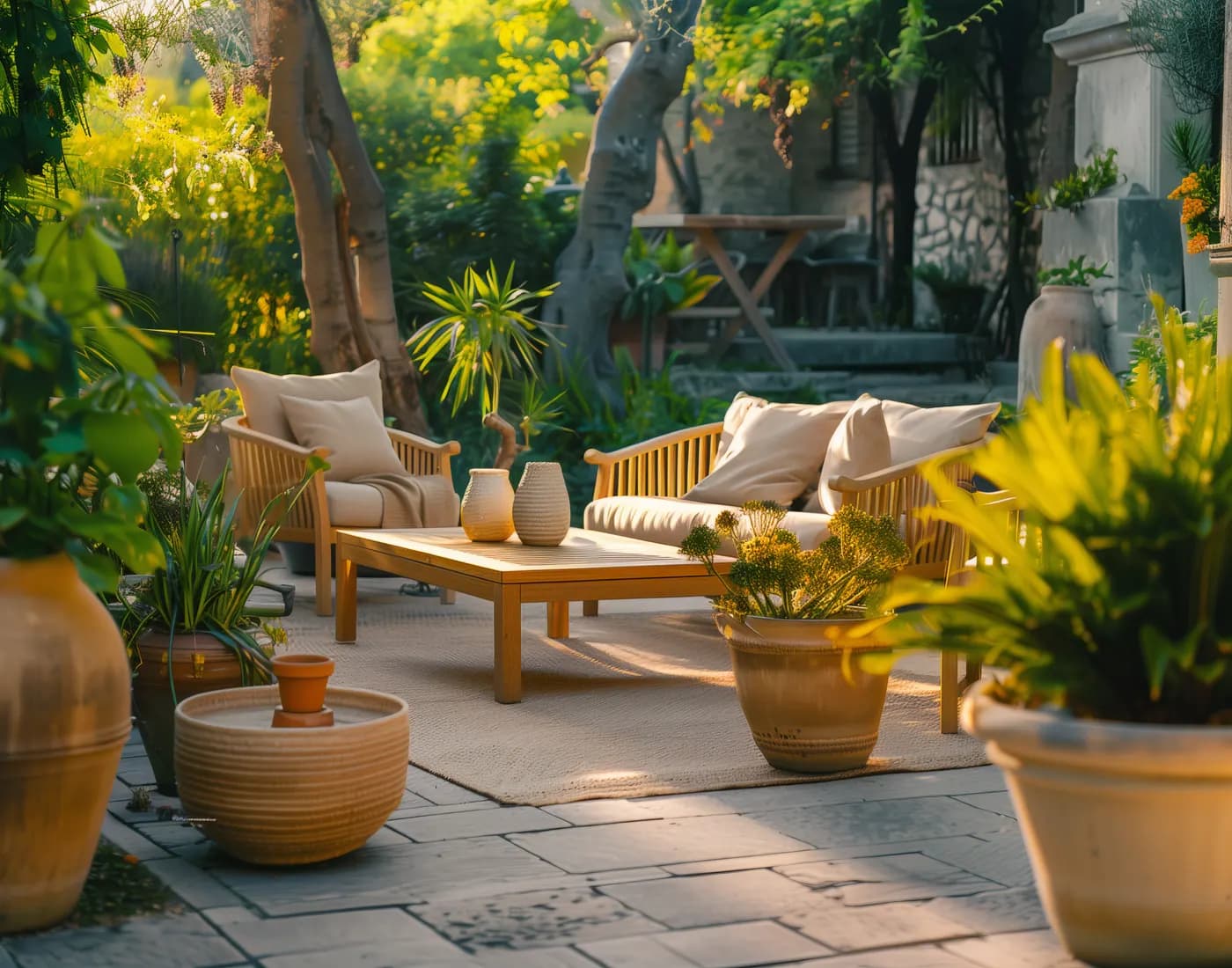
Illustrative design context. Not a construction specification or a documented Yardelia project.
Replace “low maintenance” with a real care agreement
Maintenance becomes understandable when it is written as tasks, timing and responsibility. A garden that seems manageable during an enthusiastic planting weekend can feel different during travel, a demanding month or a change in mobility. Plan for those ordinary interruptions. Start by listing the work you are prepared to do yourself, the work you would pay someone to do and the work you cannot reliably arrange. Ask a knowledgeable local source about the exact plants' needs rather than assigning every bed the same routine. Then compare two hypothetical arrangements: a smaller planted area you can observe regularly and a larger collection requiring care you have not organized. Neither size is automatically the better design. The useful difference is whether the commitment has an owner. Build a short handover note for anyone who may care for the space in your absence. Include the planting identities, the relevant instructions and the questions that still need professional input. Avoid instructions based only on color or appearance; another person should be able to identify what you mean. A realistic care plan can change the planting plan before money is spent.
Make autumn cleanup a local decision, not an all-or-nothing rule
Autumn care needs to distinguish healthy material, suspected disease and the role of retained planting. University of Minnesota Extension's October 26, 2026 guidance discusses retaining some healthy stems and seed heads for habitat and winter interest while addressing diseased material separately. It is regional guidance, not a national date for cutting every garden back. For your brief, record which plants you can identify and which require advice. Ask a local extension office about uncertain symptoms and appropriate disposal; do not diagnose disease from a stock photograph. Keep the reason for each decision beside the plant or bed. This makes the plan more useful than a blanket instruction to remove everything or leave everything. The quieter season also offers a chance to review what the garden contributes when flowers are absent. Note the view from rooms you actually use and whether the remaining structure serves your purpose. No one needs to buy a complete replacement scheme immediately. A few dated observations can identify a gap worth investigating before the next growing season.
A small planting brief can resolve a bigger design disagreement
Consider this hypothetical situation: two homeowners want the planted edge beside a patio to feel private and inviting. One saves photographs of dense greenery; the other worries about access and maintenance. Neither image preference identifies what can grow in the actual space. They start with the shared purpose: a pleasant view from the dining table, with care they can arrange consistently. Their observation map shows that the preferred edge changes between sun and shade during the visits they recorded. They have not checked summer exposure, soil information or mature plant dimensions. Instead of ordering plants, they prepare two concepts for discussion: retain the existing edge while investigating replacements, or work on one smaller section after the missing conditions are checked. A local professional can then address the real plant and site questions. The example does not prove which concept will work or how much privacy it will provide. It shows how a brief changes the conversation from competing photographs to testable requirements. Both people can judge the next proposal against the same purpose, evidence and care expectations.
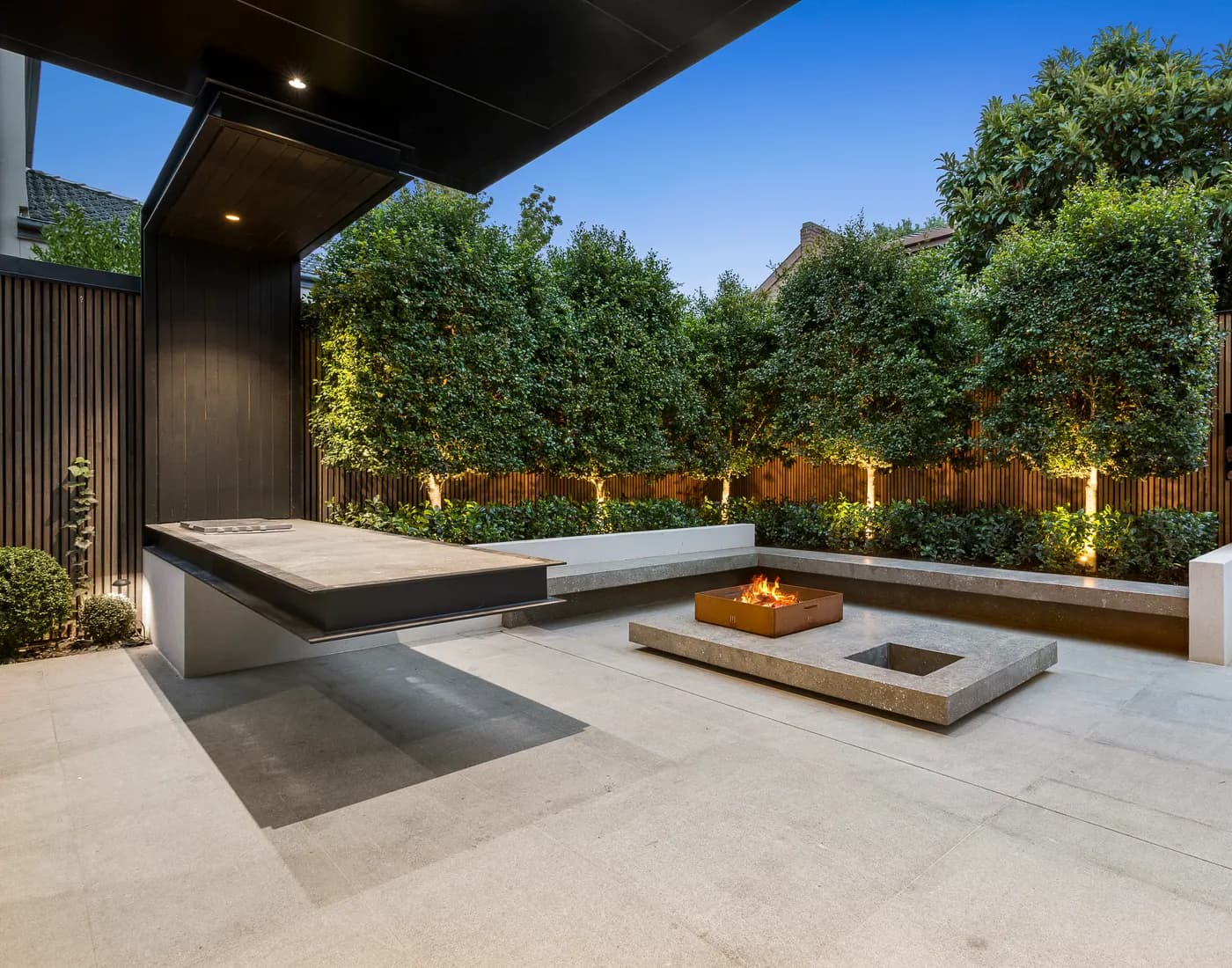
Illustrative design context. Not a construction specification or a documented Yardelia project.
Keep one seasonal record that you will actually revisit
A short, consistent record is more useful than an ambitious diary abandoned after a week. Choose a few viewpoints and photograph them from the same safe positions when you revisit the garden. Include a date and a sentence about what you noticed, without treating the record as a scientific experiment. Note what you could see, what was happening in the planted area and any question to check with a reliable source. Separate observations from explanations. “The planting nearest the gate looked different from last month's photograph” is an observation; naming a cause requires appropriate evidence. Keep the distinction when sharing the record with someone else. Organize the file around the areas on your original map, so that a useful note is easy to find later. If a question remains unresolved, carry it forward explicitly rather than allowing an old guess to become a fact. This small habit is particularly helpful before redesigning an established garden: you can identify what you value through changing conditions, then discuss changes with a clearer picture of what would be lost as well as gained.
- Area or viewpoint: ____; date: ____; visit conditions: ____.
- What I directly observed: ____; what I am assuming: ____.
- Question for a reliable local source: ____; source/date checked: ____.
- Decision affected: ____; next review point: ____.
Separate a first phase from the complete wish list
A phased plan gives each next step a reason. Put the existing features you intend to retain on one list, proposed changes on another and unresolved site questions on a third. Then choose the smallest coherent phase that advances your main purpose without relying on answers you do not yet have. For example, organizing plant identities and obtaining appropriate soil information might come before redesigning an entire bed. A phase should have a clear result: the missing information obtained, a reviewed planting plan or a defined piece of work. It should not become a shopping deadline that pressures you to skip the investigation. If contractors are involved, request a written scope stating what is included, what remains outside the work and what depends on further assessment. This guide provides no national project price or installation allowance. Compare actual proposals for the same defined work, and keep unpriced items visible. Major excavation, changes to drainage, structural work and utilities need qualified local assessment and the required licensed trades. Preserve flexibility until those dependencies are understood; the planting plan should respond to the site.
Use this decision check before you buy plants
A candidate is ready for a purchase decision when you can connect its intended role, verified requirements and proposed location to a care plan. If one of those connections is missing, decide what would resolve it. That is more useful than simply labeling the whole plan ready or not ready. Review the shortlist with the people who will use and maintain the garden. Ask each person to describe the main purpose in their own words. If the answers differ, settle that conversation before comparing more plants. Then look for the assumptions hidden in the drawing: an unmeasured edge, a plant name you cannot trace or an attractive arrangement that depends on care nobody has accepted. The checklist below is an editorial decision tool, not a professional site approval. Use it to prepare better questions and choose an appropriate next step. A deliberately shorter shortlist can be a successful outcome. It leaves room to learn from the garden and avoids treating the number of plants purchased as evidence that the plan is working.
- Purpose agreed: I can explain what this planting should contribute to daily life.
- Conditions recorded: I have dated observations and clearly labeled seasonal unknowns.
- Selection checked: exact plant names, sources, reported mature dimensions and local suitability questions are recorded.
- Care assigned: watering and other necessary tasks have a realistic responsible person or service.
- Professional questions resolved: relevant site, access, utility, approval and installation matters have been assessed before committing to work.
- Next step chosen: investigate a specific unknown, review the plan with a qualified local professional, or proceed with the defined phase.
Connect the planting plan to the rest of the yard
A garden plan should sit comfortably within the wider outdoor brief. Use Yardelia's Landscape Design guide for the overall arrangement, Backyard Planning for everyday uses and Outdoor Shade for the observation questions that come before choosing shade structures. These related guides are linked below. They provide planning perspectives, not a substitute for site-specific professional advice. Bring the plant record and unresolved questions into Your Outdoor Brief, and save the guides you expect to revisit. The aim is a useful sequence: observe what you have, verify what the planting needs, agree who will care for it and choose a defined next step. Return to the plan when new evidence changes one of those decisions. A garden does not need to be finished in a single purchase to become more considered. It needs a clear relationship between the place, the people using it and the work they can support.
Sources & scope
AI-assisted editorial preparation by Yardelia, Oryvelon LLC, under the publisher’s instruction. Primary-source context checked November 2, 2026. USDA supports the limits of zone information; EPA supports site-responsive planting and grouping water needs; Minnesota Extension supports soil-test interpretation questions and clearly regional autumn-care context. The exercises, sequencing and hypothetical example are original editorial planning judgments, not measured projects or independent expert review. No plant prescription, soil treatment, product test, verified cost survey or on-site assessment is claimed. Yardelia further-reading links are internal navigation, not independent sources. Photography is licensed illustrative stock imagery, including possible visual concepts, not a documented Yardelia project.
USDA: How to use the Plant Hardiness Zone MapEPA WaterSense: Landscaping tipsUniversity of Minnesota Extension: Soil testing for lawns and gardensUniversity of Minnesota Extension: Fall garden care that pays off (October 26, 2026; Minnesota context)Yardelia further reading: Landscape DesignYardelia further reading: Backyard PlanningYardelia further reading: Outdoor ShadeSources checked 2026-11-02 · See preparation method above.
Put the questions into your own brief.
Gather the observations that matter to your space and take them to a qualified local professional.
Create your Outdoor Brief