THE SHORT ANSWER
Turn your backyard priorities into a keep-change-investigate list and a clear first-phase brief before comparing plans or quotes.
Start with a day, not a shopping list
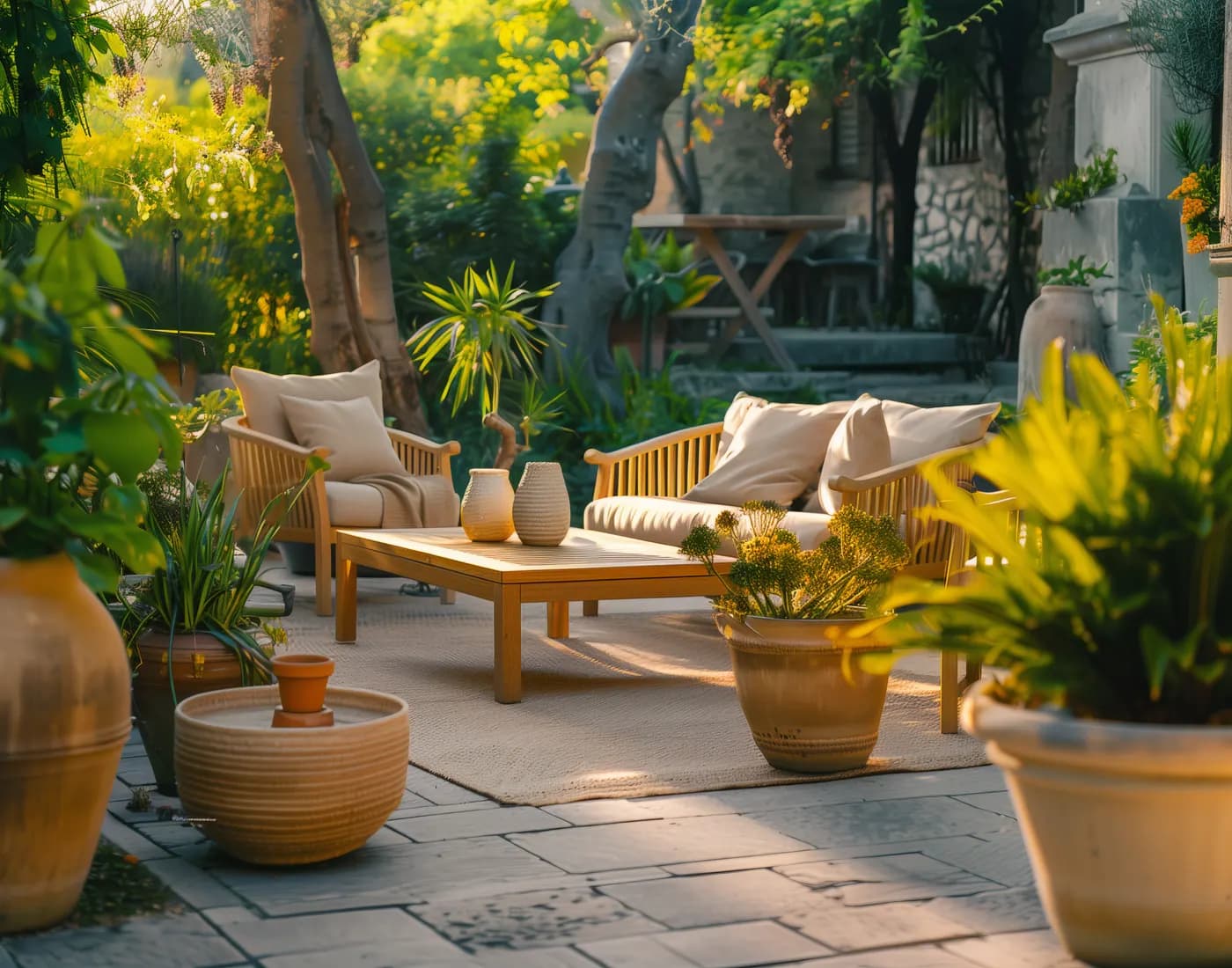
Picture an ordinary Saturday. You make coffee, step outside, read in the shade, then have friends over for dinner. A useful yard supports those moments before it acquires more objects. Write down the two uses you would miss most if they were absent.
- Choose one primary use and one supporting use.
- Notice where the indoor and outdoor routines meet.
- Identify something worth keeping: a mature tree, a view, a comfortable threshold.
Read the site before drawing the rooms
Walk the yard at different times and mark what you actually observe: sunlight, shade, exposed views, a wet patch or a difficult route from the kitchen. Keep unknown conditions on a separate list. A sunny photograph is not evidence of your own site’s exposure.
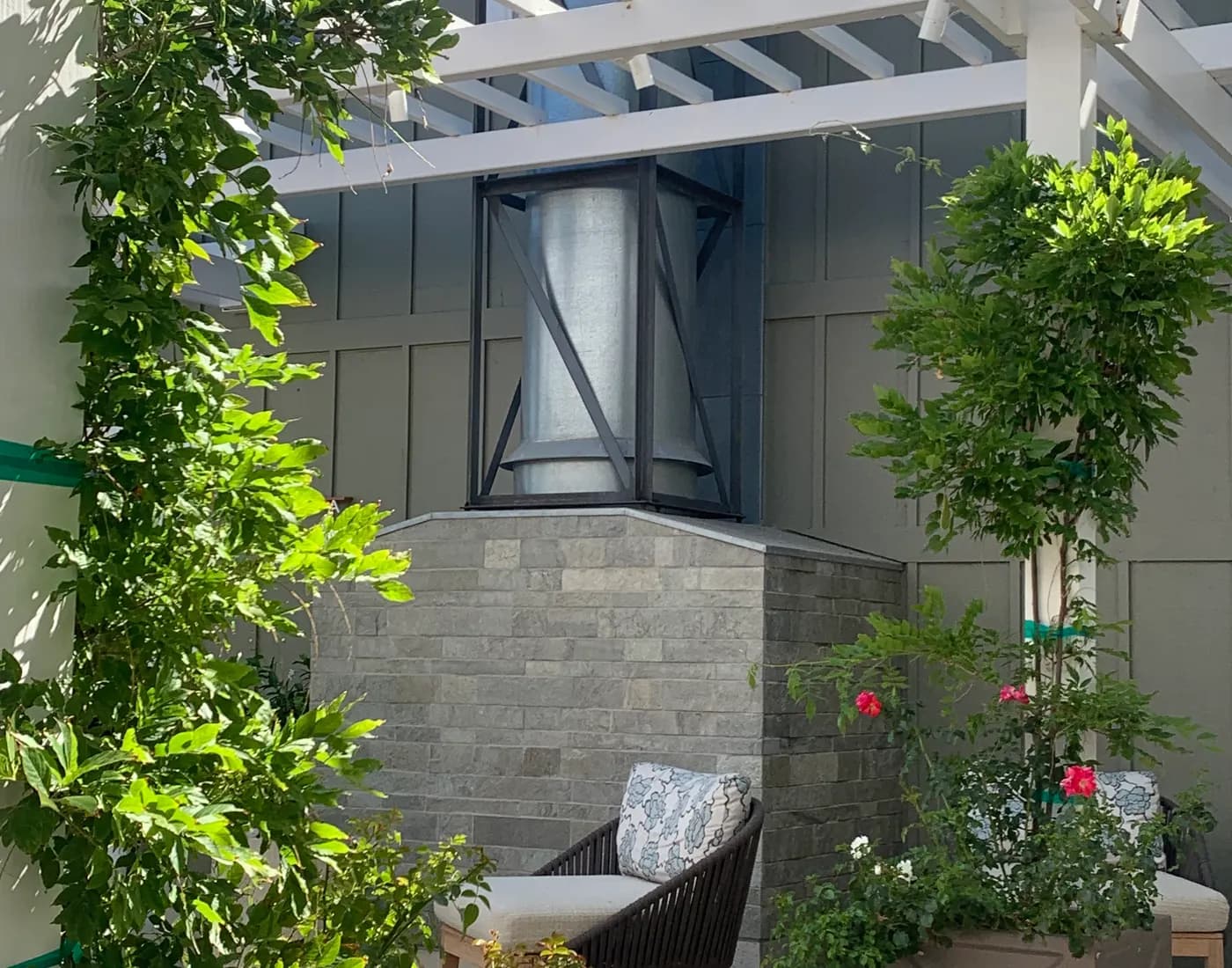
Illustrative design context. Not a construction specification or a documented Yardelia project.
Make a keep-change-investigate list
Before choosing new finishes, walk through the yard with three headings: keep, change and investigate. Under keep, record features that already support your two priority uses. Under change, describe a specific difficulty rather than naming a product to buy. Under investigate, record questions you cannot answer from observation. A wet patch is an observation; its cause and remedy belong in the investigate column. EPA WaterSense includes intended use, local conditions, sun and shade, and maintenance in landscape planning. University of Minnesota Extension similarly recommends evaluating site conditions before developing a design. The following record is an original planning aid, not an engineering inspection or a copied Extension form. Complete one record for each area or feature.
- Area or feature: __________
- Decision — keep, change or investigate: __________
- What I observed, with date: __________
- Why it matters to my main or supporting use: __________
- What should remain usable or accessible: __________
- Question still unanswered: __________
- Who needs to assess it before a decision: __________
- Next action and decision date: __________
Define a first phase before comparing quotes
Choose a first phase that has a useful everyday outcome, even if later ideas are deferred. For example, a hypothetical homeowner may want comfortable outdoor dining while retaining an existing tree and leaving a future planting area undecided. That is a decision exercise, not a documented Yardelia project or a recommended construction sequence. Ask a qualified local professional whether your proposed phases are practical together. Bring the keep-change-investigate record to that conversation and keep unresolved technical work separate from your preferences. The FTC recommends comparing written estimates that identify the work, materials, completion timing and price. Use the same written brief when approaching more than one contractor, and ask each to identify exclusions and assumptions. This worksheet does not supply a price forecast, permit decision, tree assessment or construction specification.
- Completed first-phase use: __________
- Existing features to retain and protect: __________
- Work and materials proposed for this phase: __________
- Access or services that must remain available: __________
- Assumptions and professional checks still outstanding: __________
- Included work, exclusions and allowances in each estimate: __________
- How later phases may affect the first phase: __________
- Who will handle recurring care after completion: __________
Give every zone a purpose
Start with a dining zone, a quiet place and a clear route between them. Sketch alternative arrangements before selecting furniture. Measure the specific pieces you are considering, include the space needed to use them, and ask a qualified designer to review access and site constraints.
Plan what you will care for
A beautiful yard should fit the time you want to spend maintaining it. List cleaning, pruning, irrigation checks, furniture protection and seasonal storage. Ask who will do each task and what equipment will remain accessible.
- Separate installation decisions from recurring care.
- Keep utility and service access visible on the brief.
- Request an itemized scope before comparing proposals.
Take a clear brief to a professional
Bring measurements, observations, photographs of your own site and your two priority uses. Ask about drainage, underground services, permits and structural work before approving a design. The Outdoor Brief below collects your preferences without pretending to resolve those technical questions.
Sources & scope
AI-assisted editorial planning guide published by Yardelia, Oryvelon LLC. Source context and existing image rights checked October 21, 2026. The keep-change-investigate record and first-phase worksheet are original editorial decision aids, not a professional site assessment. Linked primary sources support site evaluation and written-estimate context. The example is hypothetical. No independent human expert review, documented homeowner project, hands-on product test or verified price survey is claimed. Licensed stock imagery remains illustrative. Original publication timestamp preserved.
EPA WaterSense: Landscaping tipsUniversity of Minnesota Extension: Landscape site evaluationFTC: Comparing written home improvement estimatesSources checked 2026-10-21 · See preparation method above.
Put the questions into your own brief.
Gather the observations that matter to your space and take them to a qualified local professional.
Create your Outdoor Brief